
When Scary News Reaches the Lunch Table
September 27, 2026 · 3 min read
A childhood friend told me recently that her sixth grade daughter came home worried after talking with other kids about the Lindsay Clancy case. She was asking a question no child should have to sit with: Could my parents kill me?
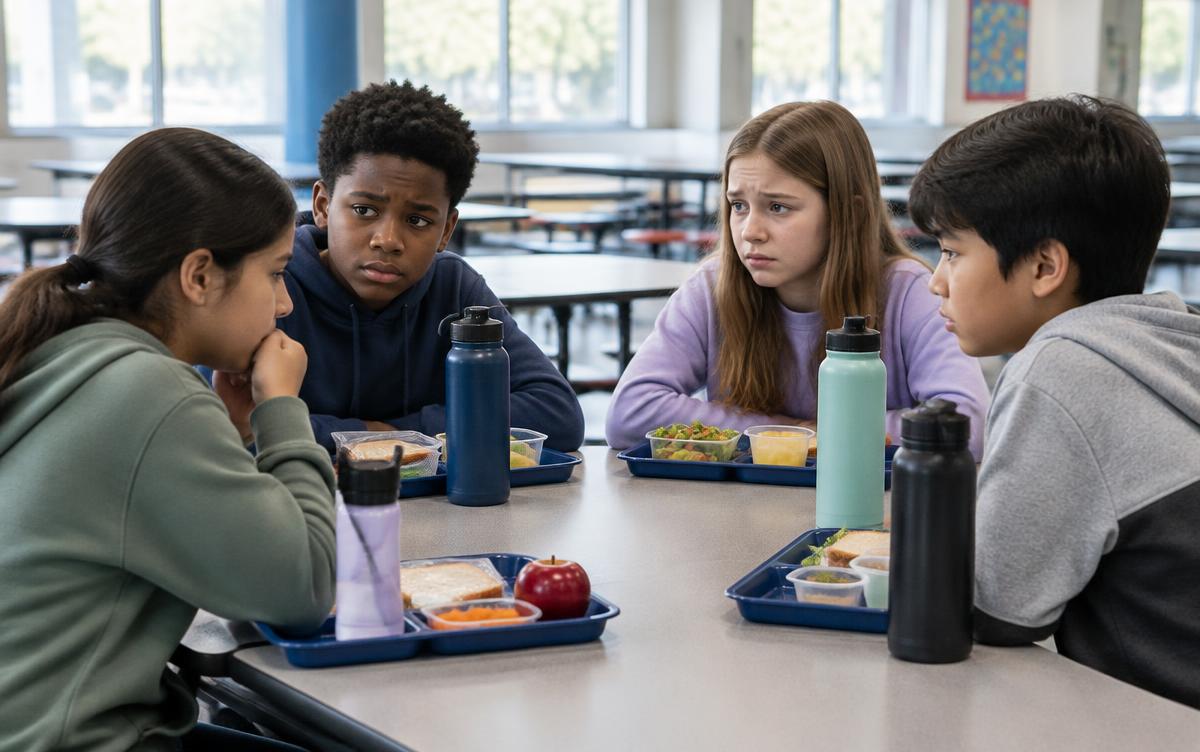
I couldn't stop thinking about that conversation. I pictured four girls at a lunch table, trying to make sense of what they'd heard. I don't know exactly what they said, but I imagine it might have sounded something like this:
Jenny was peeling the label off her water bottle when Maya leaned across the table.
“Did you hear about Lindsay Clancy?”
Ava looked up from her sandwich. “The mom who killed her kids? My brother was watching something about the trial.”
“My mom turned it off when I came in,” Maya said. “But I already knew.”
Sophie set down her fork. “Do you think our parents could do that?”
For a moment, nobody answered. Around them, the cafeteria carried on. Chairs scraped against the floor. Someone at the next table laughed at a video. Then the bell rang, and the girls went to class with Sophie's question still hanging in the air.
When my friend told me what her daughter was worried about, my first thought was, Oh my God. I don't remember hearing about something like this when I was their age.
Of course, that doesn't mean violence against children didn't happen when we were young. It did. It's happened throughout human history. But there's something especially hard to take in about a mother killing her children. I'm an adult, and I'm still trying to make sense of how something so awful could happen.
And what's particularly challenging for kids today is that the news can reach them from almost anywhere. It's not just a television that a parent can turn off. A story might show up in a YouTube ad, an Instagram feed, or a video someone sends to a friend, which makes it incredibly hard for parents to know what their kids are seeing. And sometimes they haven't seen it online at all. They've heard it from another kid at lunch.
What if a child brings this story to your table?
Here are a few things that might help:
Start with how they're feeling
You can try phrases like:
• “Oh, that's so upsetting. How are you feeling about it?”
• “What went through your mind when you heard that?”
• “I'm glad you told me.”
Open-ended questions give kids a chance to put words to what they’re feeling. Sometimes naming it together can help the feeling become a little easier to work through.
Find out how they heard about the story
It's a good idea to find out where they heard the news. If they've been seeing upsetting images or hearing about it over and over, you'll have a better idea of how to help them take a break from it.
Let them see how you handle your own feelings
I'm still upset by what happened to those children. It's horrifying, and I think it will stay with me for a long time. I imagine it will stay with a lot of people who've heard their story.
So if a child tells you they're upset, you don't have to pretend it hasn't affected you. You can be honest without asking them to carry your feelings: “It's upset me, too. I've had to step away from reading about it when it feels like too much.” Maybe you take a walk together or do something else that helps you both feel a little more grounded. They're seeing how you care for yourself while you make room for them.
Connection can change everything
I keep thinking about those girls leaving the cafeteria. They may have gone to different classes and had completely different afternoons. But my friend's daughter brought her question home, and I'm glad she did. It gave the adults who love her a chance to hear what was on her mind.
Ultimately, there's no way we can keep scary, real-world events from reaching our children. But we can help them make sense of what they're feeling. And bring them into a collective hug when the world doesn't make sense.