
Truth Cards
Names what's true when a big feeling is telling a different story.
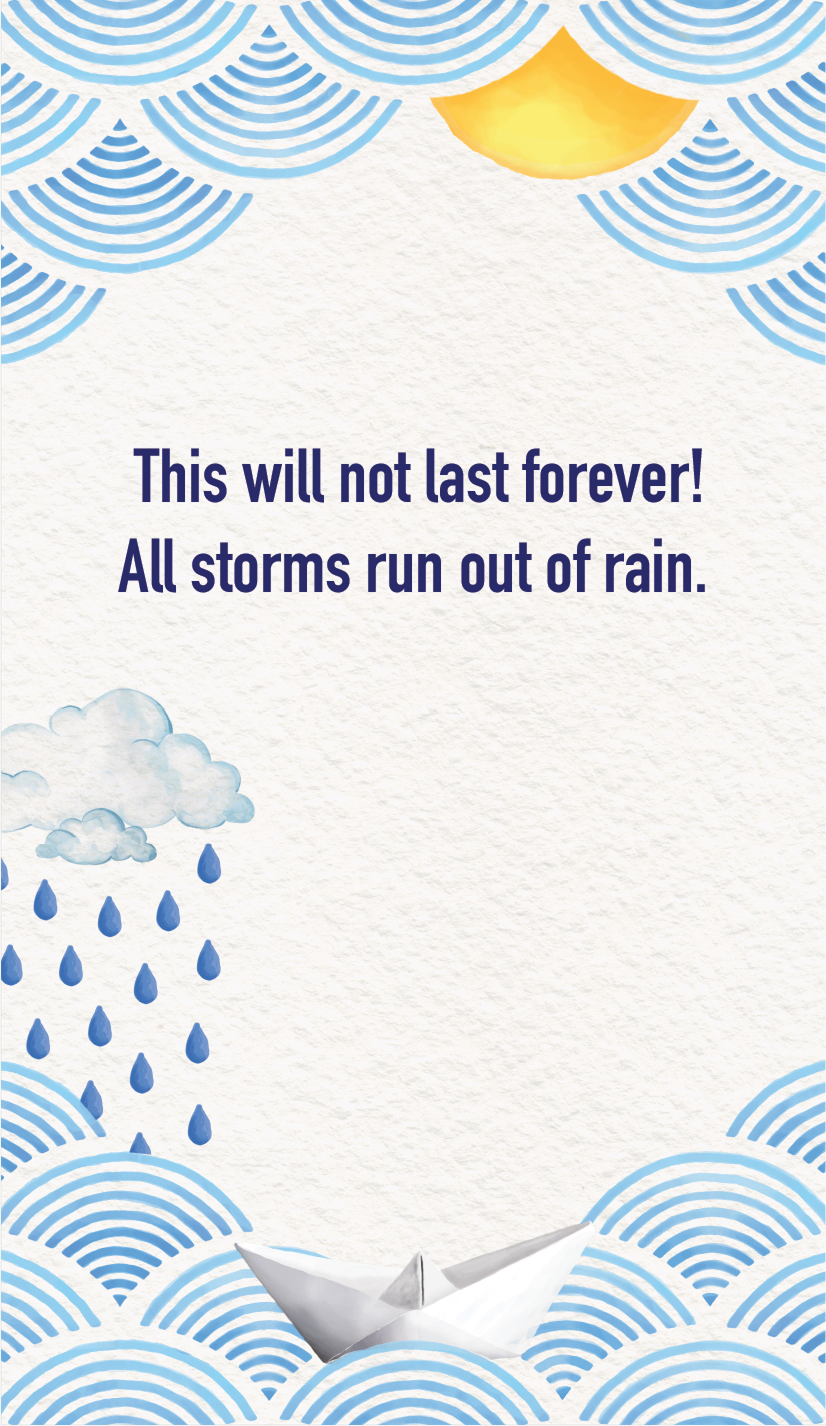
“This will not last forever! All storms run out of rain.”
At home
Read one out loud in the middle of the storm — no explaining required.
You don't need the perfect words. You need a calm body, honesty, and room for whatever comes next. Children rarely need the whole answer — they need to know the door stays open.
You don't have to say the perfect thing. Your calm presence matters more than perfect words.
“What do you already know about it?”
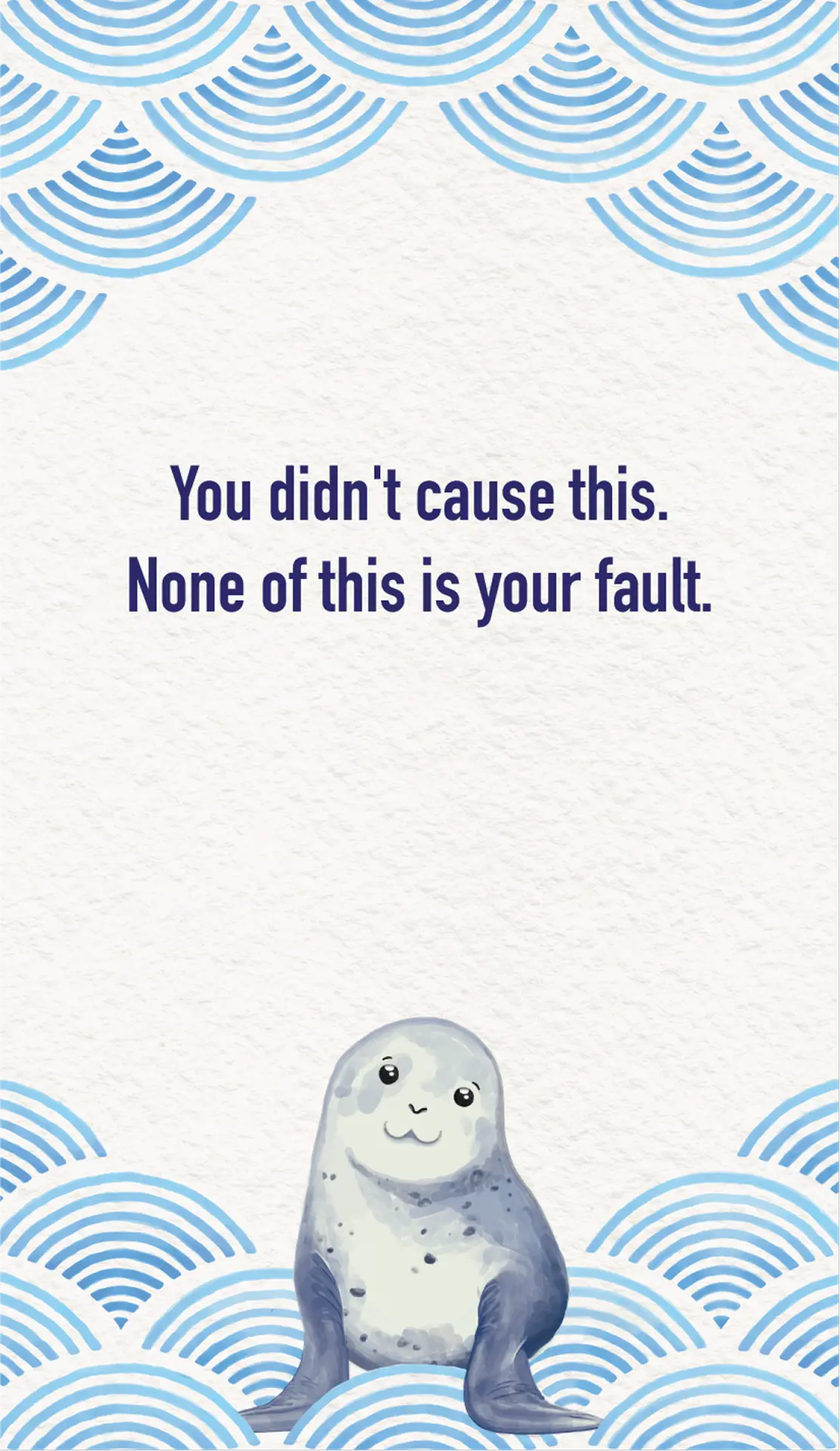
“You didn't cause this. None of this is your fault.”
“I don't know either. We'll figure it out.”
“You can ask me anything, any time.”
Inside the Power Card Deck are four kinds of cards. These are the ones families reach for with this topic.
Write-on cards that help a child get their voice back — what they wish they could say, and to whom.
“If you could tell a grown-up something about what you're going through, what would you want them to know?”
The sentences that need saying out loud when a child is carrying blame that isn't theirs.
“You didn't cause this. None of this is your fault.”
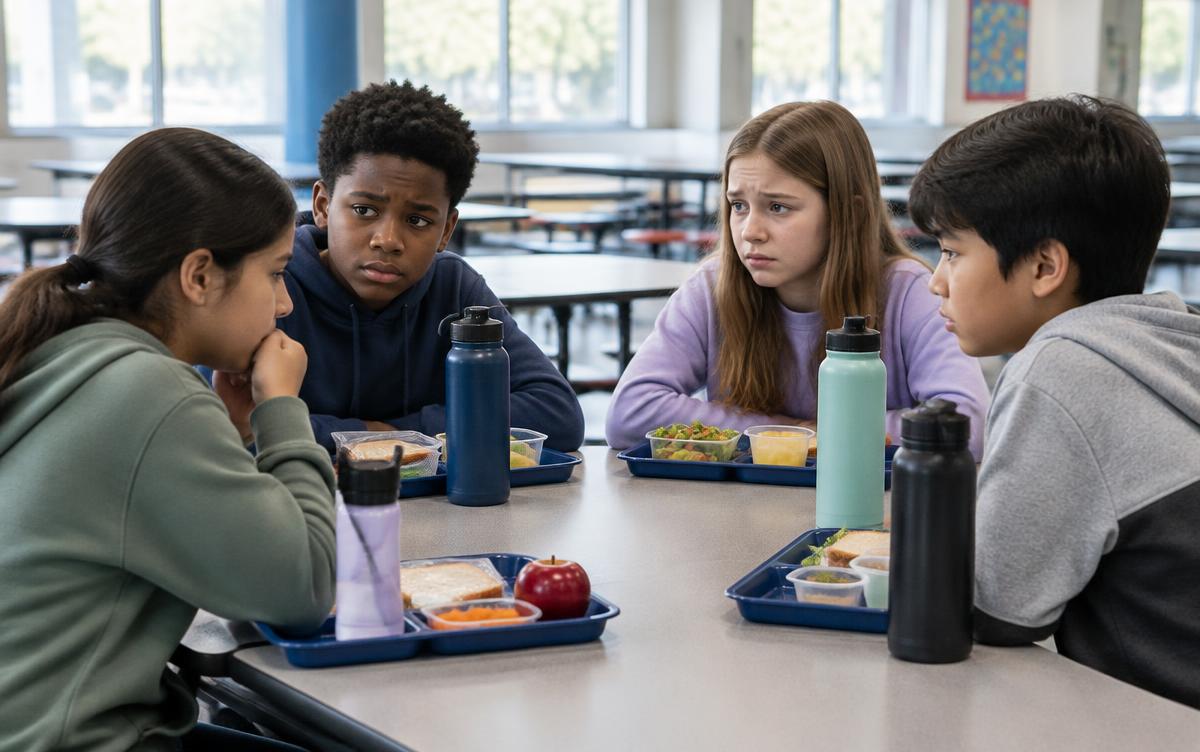
When kids hear about the Lindsay Clancy case, murder, or other scary news, these conversation starters can help parents respond to fear and worry.
September 27, 2026

Simple ways to help kids identify, understand and talk about big emotions while building emotional literacy and regulation skills.
September 8, 2026

What if we are made for loss, healing, and transformation? Discover how nature offers hope, resilience, and a path forward after grief.
June 21, 2026
When you've worked through a hard moment together, these cards help continue the conversation — one card, one step, whenever your child needs it.
Names what's true when a big feeling is telling a different story.
“This will not last forever! All storms run out of rain.”
At home
Read one out loud in the middle of the storm — no explaining required.
Gives a child something steady to hold on to about who they are.
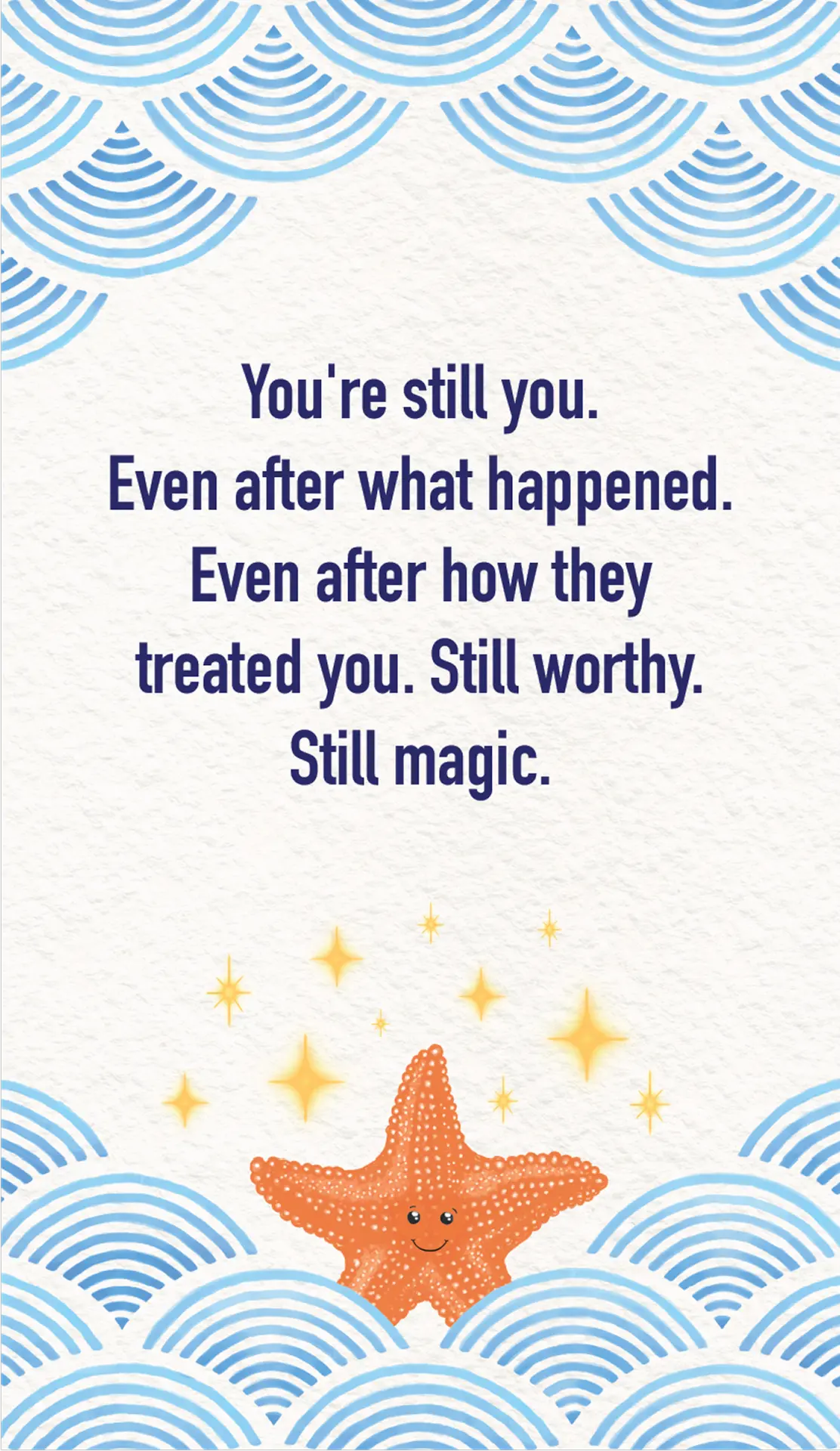
“You're still you. Even after what happened. Still worthy. Still magic.”
At home
Leave one on a pillow, in a lunchbox, or read it at bedtime.
Gives them the words when speaking up feels impossible.
“Words to try when something doesn't feel okay.”
At home
Practise the line together before the moment it's needed.
Turns a hard moment into one small, doable next step.
“One step you can take today — small counts.”
At home
Use it after the feeling settles, when the body is ready to think.
Moves the feeling out of the body through the hands.
“Draw the anger. Scratch, scribble, cover the whole space. Then tear it.”
At home
Hands-on and physical — drawing, tearing, folding, letting go.
Children often can't say what's wrong — but they can draw it, scribble it, fold it, or tear it up. Creative journaling gives feelings a place to go that doesn't depend on finding the right words.
"Draw what today felt like. You don't have to explain it — just put it on the page."